When people first book a ceramic workshop, one question appears almost immediately: should they choose wheel throwing or hand-building? Both are popular, both are beginner-friendly in the right setting, and both offer very different creative experiences. If you are planning to join a pottery class in Hanoi, understanding the difference can help you choose the option that actually fits your personality, expectations, and goals.
At Bacera, this choice matters because pottery is not a one-size-fits-all activity. Some people want the dynamic feeling of shaping clay on a spinning wheel. Others want a calmer, more flexible format where they can focus on design, texture, and form. Neither method is “better” in an absolute sense. The best choice depends on what kind of experience you want from your first class.
What wheel throwing feels like
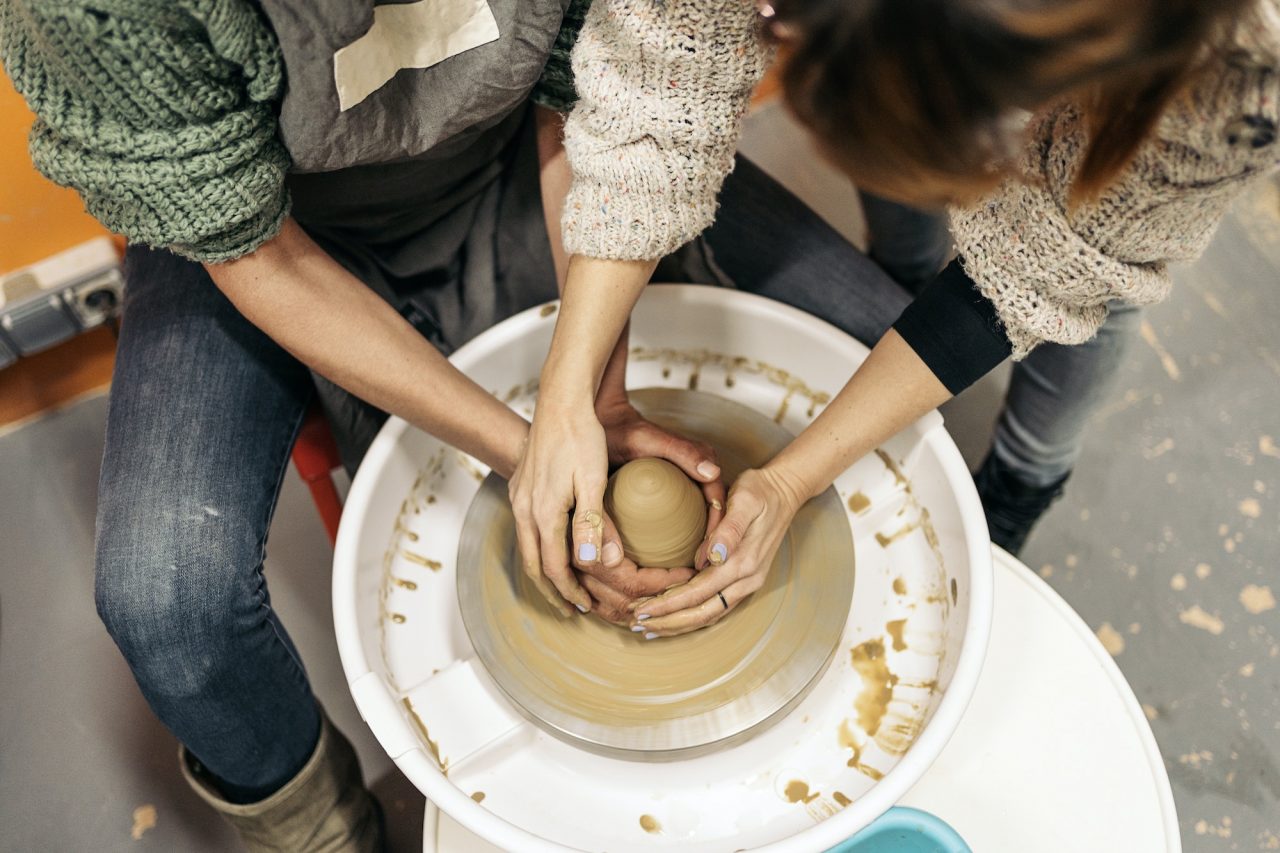
Wheel throwing is the iconic pottery-wheel experience most people imagine when they think about ceramics. Clay is placed on the wheel head, then shaped through a sequence of movements: centering, opening, pulling, and refining. When it works well, the process feels almost magical. A simple lump of clay starts turning into a bowl, cup, or vessel under your hands.
The wheel is exciting because it gives instant visual feedback. It feels active, rhythmic, and deeply satisfying. But it also has a learning curve. Centering can be harder than it looks, and small mistakes in pressure or balance can affect the form quickly. For many beginners, though, that challenge is exactly what makes it memorable.
What hand-building feels like
Hand-building is a broader category of ceramic techniques that does not rely on the wheel. Instead, you shape clay directly with your hands using methods like pinching, coiling, slab-building, molding, and sculpting. This makes it an excellent choice for guests who want more direct control over the final form from the beginning.
Hand-building often feels calmer and more intuitive, especially for people who enjoy detail, texture, or decorative design. It is ideal for making trays, plates, small sculptures, incense holders, dishes, and other expressive forms that do not need perfect symmetry.
Wheel throwing: key advantages
- It delivers the classic pottery experience many first-timers want.
- The movement of the wheel feels dynamic and engaging.
- It is ideal for rounded forms such as cups, bowls, and simple vessels.
- It creates a strong sense of accomplishment when the clay begins to rise successfully.
For guests who want the most iconic ceramic experience possible, wheel throwing is hard to beat. If that is what excites you, Bacera’s class options are a good place to start exploring.
Hand-building: key advantages
- It gives beginners more control from the start.
- It supports a wider variety of shapes and decorative outcomes.
- It is excellent for guests who enjoy slower, more design-focused making.
- It feels less intimidating for people who are unsure about the wheel.
Hand-building can also feel more personal for beginners because the clay responds directly to the hand without the extra technical variable of rotation speed and balance.

Which one is better for beginners?
The honest answer is: it depends on what kind of beginner you are.
Choose wheel throwing if:
- You want the classic pottery-wheel experience.
- You enjoy learning by doing and do not mind a challenge.
- You are excited by movement, rhythm, and process.
Choose hand-building if:
- You want more immediate control over shape and design.
- You prefer a calmer and more flexible creative pace.
- You are more interested in texture, decoration, and expressive forms.
There is also no rule that says you must choose only one forever. Many guests begin with one method and later discover they love the other just as much. In fact, trying both is often the best long-term introduction to ceramics.
What kind of result can you expect?
Wheel throwing tends to produce cleaner, rounder vessel forms when things go well. Hand-building often produces more variation, texture, and design individuality. If your goal is to make a symmetrical cup or bowl, the wheel may be the better fit. If your goal is to create something more decorative or expressive, hand-building may suit you better.
Either way, the first class is less about perfection and more about understanding the material. A strong pottery experience gives you a sense of connection to clay, not just a finished object.
Why the studio matters as much as the method
People often focus only on the method, but the studio environment matters just as much. A beginner-friendly workshop should explain things clearly, remove unnecessary pressure, and create enough structure that you can enjoy the process rather than fear mistakes. Bacera’s atmosphere is part of what makes the experience approachable for new guests.
If you want to see the visual character of the studio and the handmade aesthetic behind the classes, take a look at the Bacera portfolio.
Frequently asked questions
Is wheel throwing harder than hand-building?
Usually yes, at least at first. But many beginners still prefer it because the challenge feels exciting and rewarding.
Is hand-building too simple?
Not at all. It can be extremely creative and often leads to more personal, expressive results than the wheel.
Can couples or groups enjoy both formats?
Yes. Both methods work well for shared workshops, dates, and small groups, depending on the mood and structure of the class.
Final thoughts
If you are comparing wheel throwing vs hand-building, the best choice is the one that matches your energy and goals. The wheel is dynamic, iconic, and satisfying. Hand-building is flexible, expressive, and approachable. Both can be excellent introductions to ceramics when the class is designed well.
To book the option that suits you best, browse the available Bacera classes or contact the studio for advice.