One of the most common questions beginners ask after joining a pottery class is simple: how long does pottery actually take?
It is an understandable question. People see a lump of clay become a bowl, cup, or vase in a workshop, and it can feel like the piece is almost finished. But in ceramics, the making stage is only one part of the journey. What happens after shaping is just as important as what happens on the wheel or at the table.
If you have ever wondered why handmade pottery is not ready immediately after class, this guide explains the full process—from soft clay to finished ceramic piece—and why patience is part of what makes handmade pottery valuable.
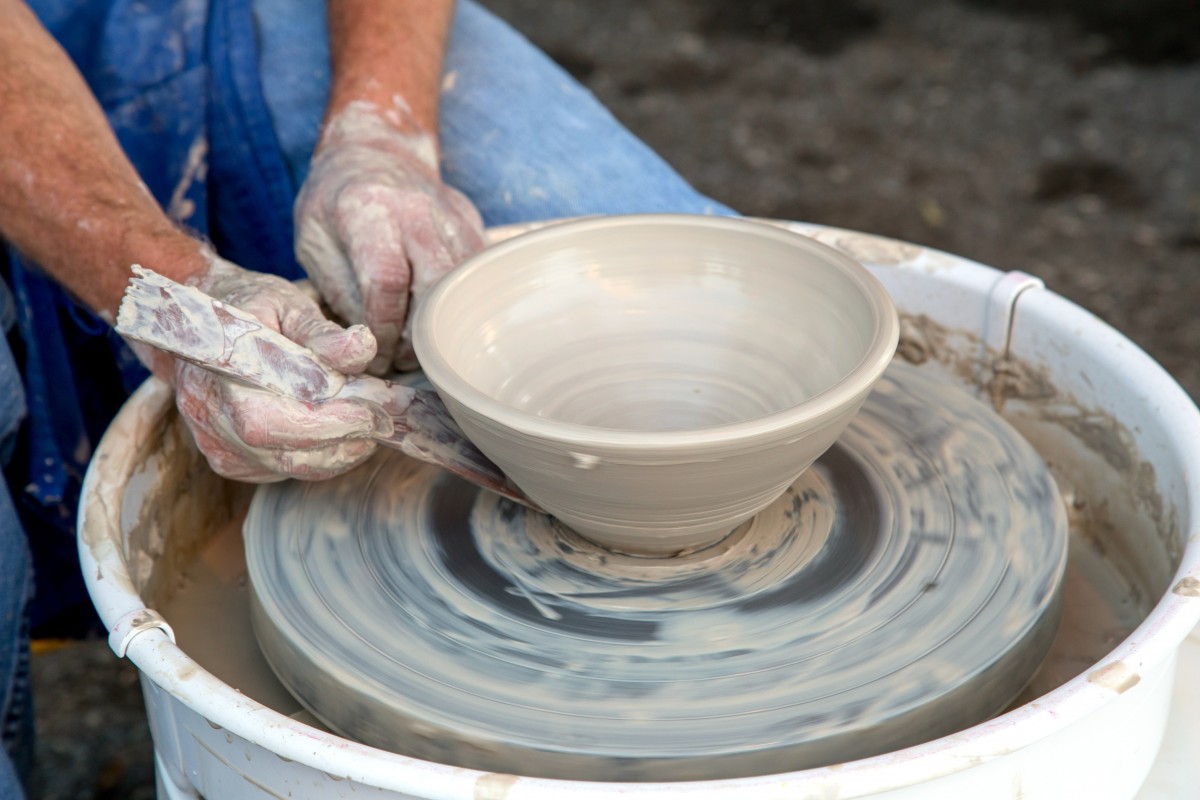
Handmade Pottery Takes Longer Than Most Beginners Expect
Pottery is not like many quick craft activities. You do not form a piece and walk away with a final product an hour later. Clay needs time to settle, dry, be refined, fired, glazed, and fired again before it becomes a durable ceramic object.
This is one of the biggest differences between pottery and simpler art experiences. Pottery is physical, but it is also a material process. The clay changes gradually, and each stage affects the quality of the final result.
That is why asking “how long does pottery take?” has more than one answer. The hands-on class itself may last a relatively short time. But the full ceramic journey continues beyond the workshop.
Stage 1: Shaping the Clay
This is the part most people see firsthand.
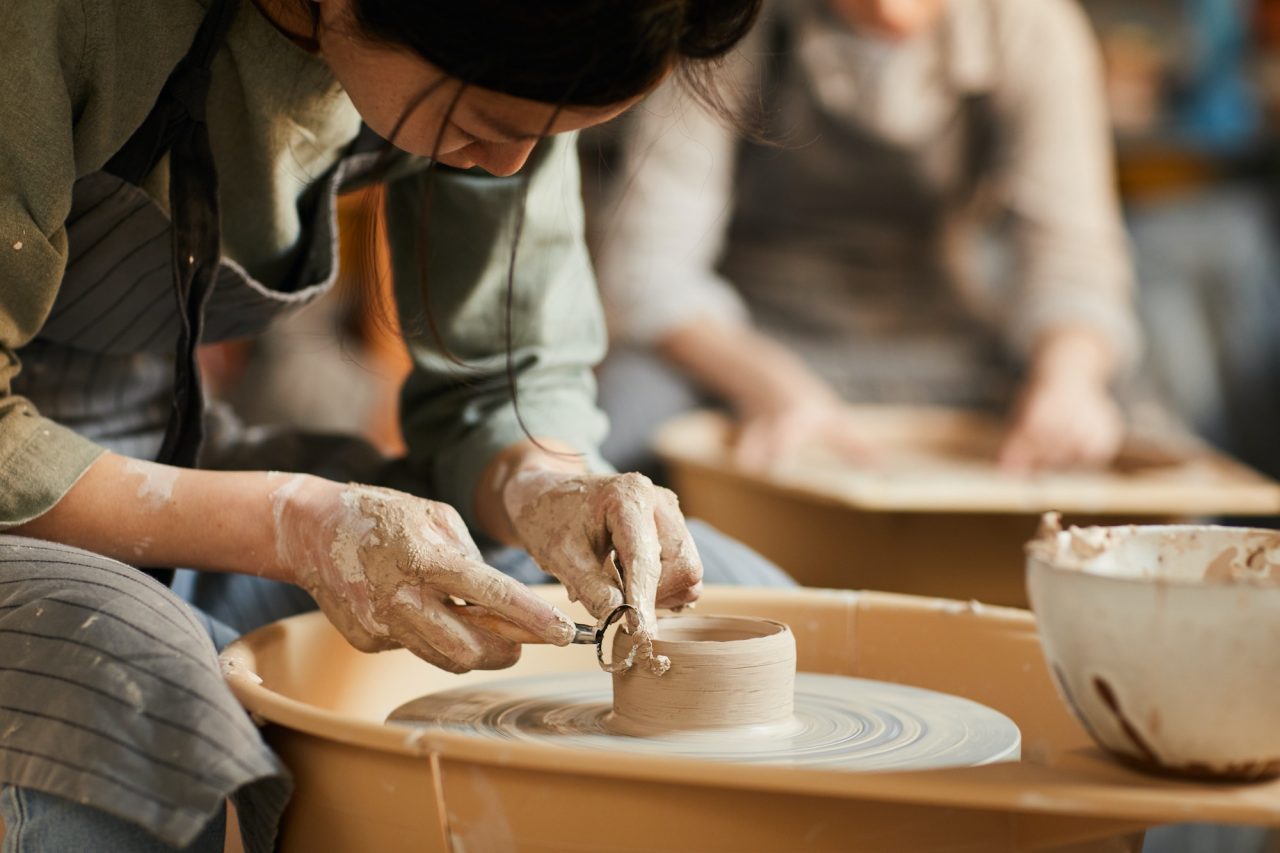
In a pottery class, guests usually begin by shaping the clay through wheel throwing, hand-building, or another guided method. Depending on the class type, this might involve centering clay on the wheel, pulling up walls, refining a basic form, or decorating an already prepared ceramic surface.
For beginners, this stage often feels intense and exciting. The clay is soft, wet, and highly responsive. Small movements make visible changes. It is the most active part of the process and the one most people remember first.
However, at this point the piece is still extremely fragile. It is not finished. It is not even close to ready for everyday use.
Stage 2: Drying Before Firing
Once a piece has been formed, it needs to dry carefully.
This stage matters because wet clay cannot go directly into the kiln. If moisture remains trapped inside, the piece can crack, warp, or even break during firing. Drying time depends on the thickness of the piece, the weather, the studio environment, and the type of work being made.
In Hanoi, where humidity can affect drying speed, this stage must be handled with care. Pieces are usually allowed to dry gradually rather than being rushed. This helps preserve their shape and reduces avoidable damage.
For beginners, this is often the first surprise: a pottery piece may look complete after class, but it still needs time simply to become dry enough for the next step.
Stage 3: First Firing (Bisque Firing)
After drying, the pottery goes through its first kiln firing, often called bisque firing.
This stage transforms the dried clay into a harder, more stable ceramic form. After bisque firing, the piece is no longer soft clay, but it is also not yet fully finished. It becomes safer to handle and ready for glazing.
Bisque firing is a major milestone because it changes the material permanently. Up to this point, the piece has still been vulnerable in many ways. After firing, it becomes much more durable.
This stage also explains why handmade pottery cannot be treated like instant craft output. Kiln schedules, studio workload, and firing batches all affect how quickly pieces move through the process.
Stage 4: Glazing
Glazing is where color, finish, and final surface character begin to emerge.
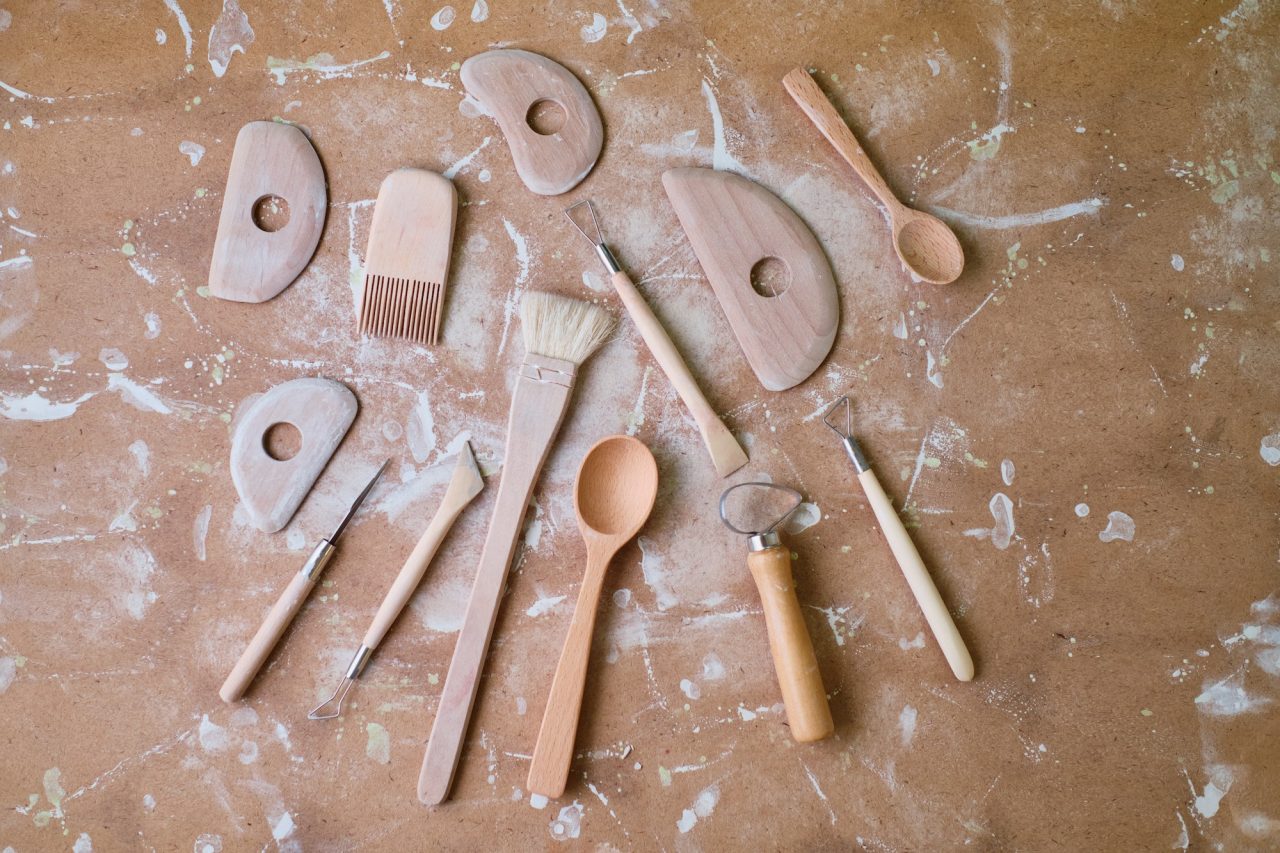
Some pieces are painted, dipped, brushed, or otherwise glazed depending on the style of work. Glaze does more than make pottery look attractive. It also affects texture, usability, and whether a piece becomes food-safe or water-resistant, depending on the ceramic type and intended use.
For many people, glaze is the moment they realize how much hidden work exists in ceramics. A piece that looked plain or unfinished after the first firing can become vivid, glossy, matte, earthy, or elegant after glaze is applied and fired again.
But glaze itself still does not complete the process immediately.
Stage 5: Final Firing
After glazing, the piece returns to the kiln for its final firing.
This is when the glaze matures, the surface develops fully, and the piece becomes much closer to the object people imagine when they think of finished ceramics.
Only after this stage can the pottery truly be considered complete.
Even then, timing depends on kiln schedules and studio operations. Pottery studios do not always fire one piece at a time. They often organize firings by load, type, and temperature needs. That means your handmade pottery may be ready on a different timeline from what you expect if you are used to fast consumer production.
So How Long Does Pottery Really Take?
The honest answer is: the making session is short, but the full ceramic process takes much longer.
A guest may spend one class actively shaping the piece, but the studio still needs additional time for drying, first firing, glazing, final firing, and finishing preparation. That is why handmade pottery is usually not ready for immediate same-day pickup after class.
This is completely normal in ceramics. In fact, it is part of what gives handmade pottery its depth and value. The final object carries evidence of a real process, not instant manufacture.
Why This Timeline Matters for Visitors in Hanoi
If you are visiting Hanoi and want to join a pottery class, understanding the timeline helps you plan better.
Many travelers assume they can take home a finished piece right away. In reality, pottery often needs follow-up time after the class. That means visitors on short trips should always ask about finishing and pickup timing in advance.
For some guests, the best value lies in the experience itself: making the piece, understanding the process, and enjoying the memory. For others, receiving the finished ceramic later is part of the reward.
Why Handmade Pottery Feels More Valuable Because It Takes Time
In a fast world, slowness can feel inconvenient. But in pottery, slowness is part of the beauty.
Each stage exists for a reason. Drying protects the form. Firing transforms the material. Glazing develops the final surface. Time is not wasted in this process—it is part of the craft itself.
This is one reason handmade pottery feels different from mass-produced ceramics. It reflects not only design, but process, patience, and care. The object is not simply manufactured. It is developed over time.
What Bacera Helps Guests Understand
At Bacera, part of the pottery experience is helping guests understand that making does not end when the class finishes.
That is especially important for first-time participants. When people know how the process works, they enjoy the class more fully. They stop expecting instant perfection and begin appreciating the ceramic journey as a whole.
This understanding changes the experience in a good way. It makes the workshop feel more authentic, more grounded, and more connected to real craft.
Final Thoughts
From clay to finished piece, handmade pottery takes longer than most people first imagine—but that is exactly why it matters.
The shaping stage may be the most visible part, but drying, firing, glazing, and final firing all play a crucial role in turning soft clay into a finished ceramic object.
So if you have ever wondered why pottery is not ready immediately after class, the answer is simple: good ceramics need time. And that time is not a delay. It is part of the making.